‘Science Says’ Sunday – COVID-19 What we know as of 3/22/2020

wp-15849230910188736984453928756811.jpg

Those of us following the COVID-19 pandemic feel very much like we’re drinking water of out a fire hose. Everyday, there is a massive influx of information. New studies out of China and other countries are being published at an unprecedented speed, mirroring what we are seeing in terms of the spread and manifestation of the disease in different populations.

I do want to remind you, however, that as we share news of reports, studies, or findings, please recognize that what we know about COVID-19 is very much evolving on a daily basis. Not to mention the fact that because this is all so new, much of what is being published are correlations, associations, observations. Very few studies have published information that suggests causality between two things.
So, bear with us – scientists – as we navigate these uncharted waters. I know it’s hard to be patient in a time when so much is frenzied, but without good interpretations, we risk making inaccurate recommendations as we forge this war against COVID-19.

In today’s post, I’m sharing a little about what we know with certainty; and let me tell you, it is not a whole lot. However, putting the things that we know will work (like social distancing) into practice, will absolutely make a difference, so PLEASE, please help us all by staying home, practicing social distancing, and helping to flatten the curve.

What do we know?

  • COVID-19 is caused by the SARS-CoV-2 virus.

    “Shown are a schematic of 2019-nCoV (Panel A) and full-length phylogenetic analysis of 2019-nCoV and other betacoronavirus genomes in the Orthocoronavirinae subfamily (Panel B).”

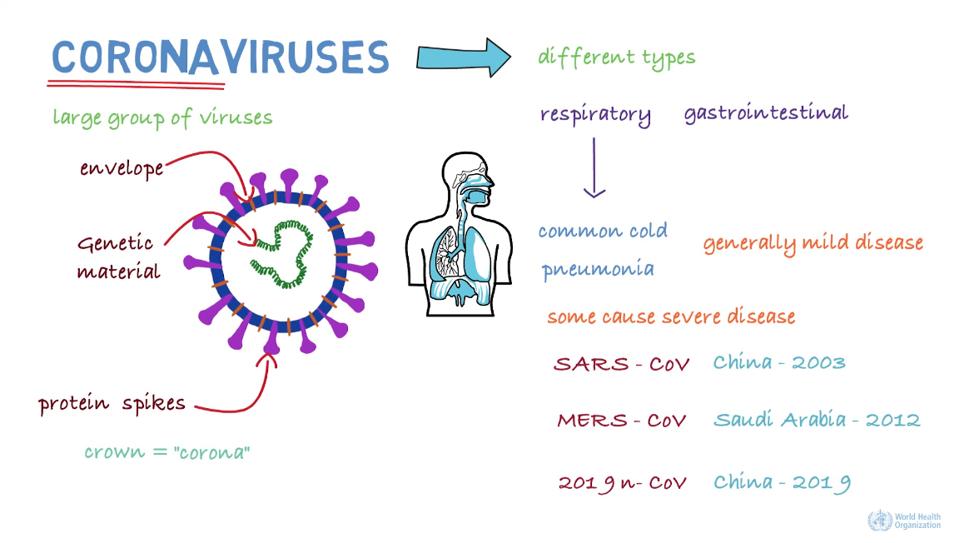
  • SARS-CoV-2 is part of the coronaviruses family. The coronaviruses family includes viruses that cause the common cold, the flu, MERS, and SARS.

cv

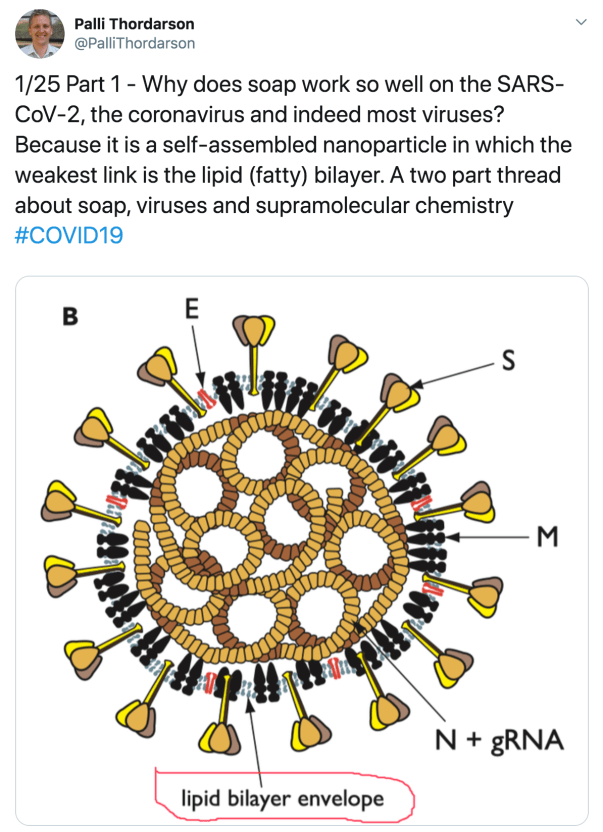
  • SARS-CoV-2 is made up of a small set of genes, surrounded by fatty lipid molecules. This fatty covering can be dissolved by soap/detergents. That means, hand-washing with soap and water for 20 seconds is highly recommended. Ethanol also breaks the virus apart, so hand sanitizers with at least 60% ethanol are effective, in the absence of water. Finally, for cleaning, Windex, bleach water, and soap and water are effective for cleaning surfaces.

Screen Shot 2020-03-22 at 7.48.28 PM

  • SARS-CoV-2 can be spread during the pre-symptomatic and/or mild symptoms phase. That’s partly what is making it so hard to prevent the spread. People may think they are not sick, and inadvertently spread disease during that time. The more people get sick all at once, the more likely we are to overwhelm our hospitals. This also means we risk getting our healthcare workers and physicians sick, which decreases the chances that of all people who need care will get the care they need.

Screen Shot 2020-03-22 at 9.08.51 PM

  • SARS-CoV-2 lives on surfaces for a while. How long? In laboratory settings, up to 3 hours aerosolized, up to 4 hours on copper, up to 24 hours on cardboard, and up to 2-3 days on plastic and stainless steel. These times were determined in a laboratory setting, so in actuality, the virus may live less time in the air/on these surfaces, but nevertheless speaks to the importance of social distancing to avoid coming into contact with surfaces where others may have coughed/sneezed/touched. https://www.nejm.org/doi/full/10.1056/NEJMc2004973

Picture1

  • Social distancing works!! We have seen how well social distancing efforts have helped to slow the spread of COVID-19 in China and South Korea for example. Let me remind you, though, that both countries put social distancing measures in place that were a lot more stringent than the ones many of our states have put in place. The Stay Home orders that California and New York have enacted are a good start, but we truly need stronger regulations/requirements for staying home and social distancing in order to make a difference and flatten the curve. I know something longer term and stronger requirements than what we have in place in some states seems harsh, maybe even scary. But, if we are to truly tackle this virus and prevent more infections, hospitalizations, and deaths, it’s what we need to do.

wp-1584925829923.gif

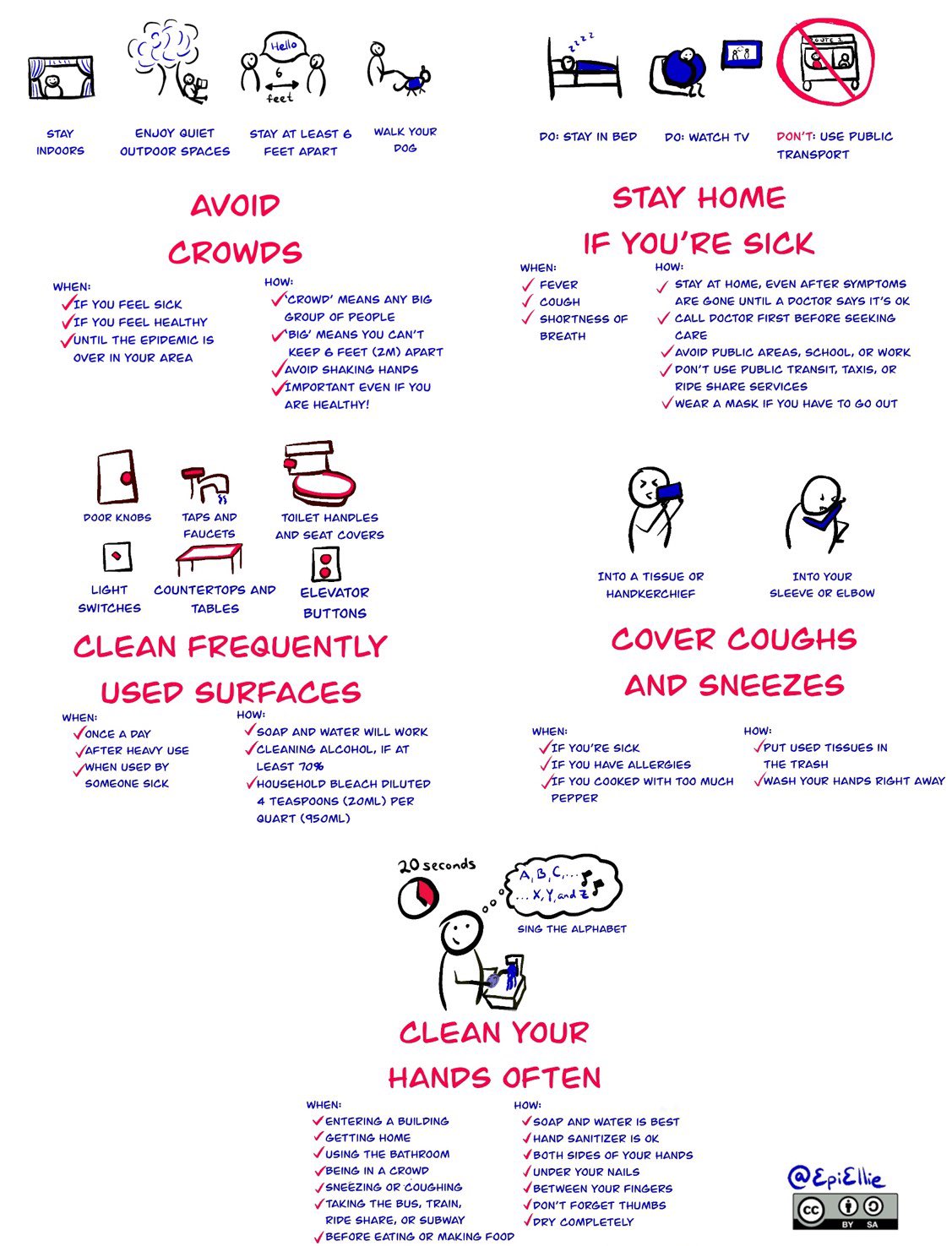
  • Social distancing means, social distancing! In order for us to truly slow the spread of infection, we need to socially distance ourselves as much as possible. Here’s a guide that can help you figure out what the do’s and don’ts of social distancing are.

No photo description available.

  • This is not going to be easy. It is going to be hard. It is hard to work from home and homeschool and try to pay the rent while not getting paid and and and and…the list is endless. My boys and I have been at home since Friday, March 13th. We haven’t left the house except to go on bike rides or play outside. WHY. Because we don’t want to risk getting sick AND we don’t want to risk getting others sick. The data is still very new in terms of who is at risk in the US. The risk for COVID-19 is bound to be different by country simply because we have different age structures, different potential co-morbidities, different healthcare systems, different governmental structures. The virus alone cannot determine the epidemiology of a disease. The epidemiology of a disease is multi-factorial, and while we can certainly learn a lot about how to stop the spread and how to prevent and treat it, ultimately, we must adapt those lessons to our own environments and populations to find the best fit solution. This, my friends, is going to take time. Could it take months? Maybe. Adhering to social distancing is the only way we will be able to determine how soon we can return to “normal”. Not adhering to social distancing is likely to prolong it all. We have the power to make a change, and to slow the spread. Please, please, stay home if you can.

In case you haven’t already noticed, there is a hub on this website with COVID-19 information. It is being updated regularly with information about some of your most frequently asked questions. I am also taking questions on Instagram and Facebook if you have any that aren’t covered there. Please visit the page when you have a moment. I’m vetting all the information included and hope to continue to update it as we learn more about COVID-19 and all that’s to come.

Screen Shot 2020-03-22 at 9.04.04 PM

So, practice social distancing, and flatten the curve.

Friends, we got this.

‘Science Says’ Sunday – COVID-19 and Social Distancing

wp-15842885434545597110029571102195.jpg

Me, playing with my kids while practicing ‘social distancing’

If we’re friends on Facebook and you’re reading this, you’re probably thinking ‘here she goes again!’ Sorry! Just kidding, not sorry. 😀 I’ll continue to share evidence-based information and recommendations until I tire, if that’s what it takes for us to get a handle of the Covid-19 (novel coronavirus) situation.

Our family has very actively practiced social distancing. I get it, it can he hard. We’re privileged to have the space to spread out throughout the house, to have space where we can play outside in ‘isolation’, and have tons of things to keep ourselves busy with, including my dog who seems to think I have nothing better to do than pick up after her. wp-15842889600167054737677630740155.jpg

Our two boys also seem to think that if friends aren’t around, they can’t play outside. Better yet, they specifically said “We can’t play because we don’t have anyone to play with.” Um, HOW ABOUT WITH EACH OTHER?! Sigh. Being indoors for extended periods of time can make them cranky and prone to bickering, so off we went to play outdoors, together. For four hours, we played baseball, basketball (me, pictured above, making a straight foo’ out of myself), rode bikes and scooters, and basically ran amok. Then, I took Advil because I’m old and out of shape. But, I digress… 🙂

On Facebook, I’ve shared a number of articles on social distancing. Here are a couple you can read while you’re social distancing. The two articles, linked here and here, give great guidance about what ‘social distancing’ means and what activities are recommended and not recommended at this time. The Washington Post also has a fantastic article demonstrating social social distancing either speeds up or slows the spread of infection. In short, it is simulating what we see in this figure from a working paper written by Famulare and others, demonstrating model-based estimates of COVID-19 burden in King and Snohomish counties through April 7, 2020, a collaboration between the Institute for Disease Modeling, Bill & Melinda Gates Foundation, Fred Hutchinson Cancer Research Institute.

No photo description available.

In short, the paper and this figure suggests that even a 25% reduction in contact between people can have a significant effect on the number of people being infected and ultimately getting sick.

So, why does that matter??

The biggest threat Covid-19 presents is burden on hospitals, health care workers, and our infrastructure in general. Dr. Michael Saag, world renowned infectious disease physician put this into perspective in an article he published in AL.com last week:

“Here is a scenario to illustrate what seems likely to happen in Alabama over the next 10 weeks:

· With a doubling rate of infection of 5 – 6 days, cases rise exponentially over time.

· This means that we can go from 50 cases to 25,000 cases in 10 weeks.

· If 20% (5,000) of these patients are significantly ill, at least half of them will need to be in the hospital (2,500).

· Of those, at least half will need to be cared for in the ICU (1,250). And once in the ICU, they could remain there for weeks, clogging the ability to admit new patients to the ICU.

· And this scenario is only after 10 weeks; at 20 weeks from now, there could be up to 500,000 total cases or more in Alabama (you can do the ICU math).

UAB hospital has up to 300 ICU beds; other hospitals in Alabama have fewer ICU beds. And in all hospitals in Alabama today, most of those beds are already occupied. It is easy to see that hospital beds, especially ICU beds, will be in short supply as the coronavirus epidemic unfolds.

So the question then becomes: Where do the new, coronavirus patients with severe disease go?

Italy currently gives us some tragic insight. In Lombardy, Italy, last week, up to 200 patients needed admission to the hospital. But there were no more beds available. So the physicians had to scour the hospital making difficult decisions about which patients were too sick to recover and discharge them home to die in order to make room for those who had a chance to live. And I just heard from a colleague in Switzerland. They are on the verge of having to make the same decisions. No one wants to ever be in that gut-wrenching position.”


The following visual is making the rounds on Facebook and Twitter, demonstrating that social distancing efforts have worked well in the past, including during the 1918 Pandemic Flu. Some cities followed recommendations well, and others not so well. Below you can see the effect that social distancing had on the city of Philadelphia vs St. Louis.

Image may contain: text

Image credit: Washington Post


Many people have been quoted in the past saying something like “if we don’t learn from our past, we are doomed to repeat it”. I’m saying the same thing now. Public health experts are suggesting we simply try social distancing so we can help “flatten the curve”.

We are actively trying to reduce the number of people who get sick all at once, so that we give each person who gets SUPER sick, a legitimate fighting chance at 1) a hospital bed, 2) ventilator, 3) staff and personnel available to care for them, if needed.

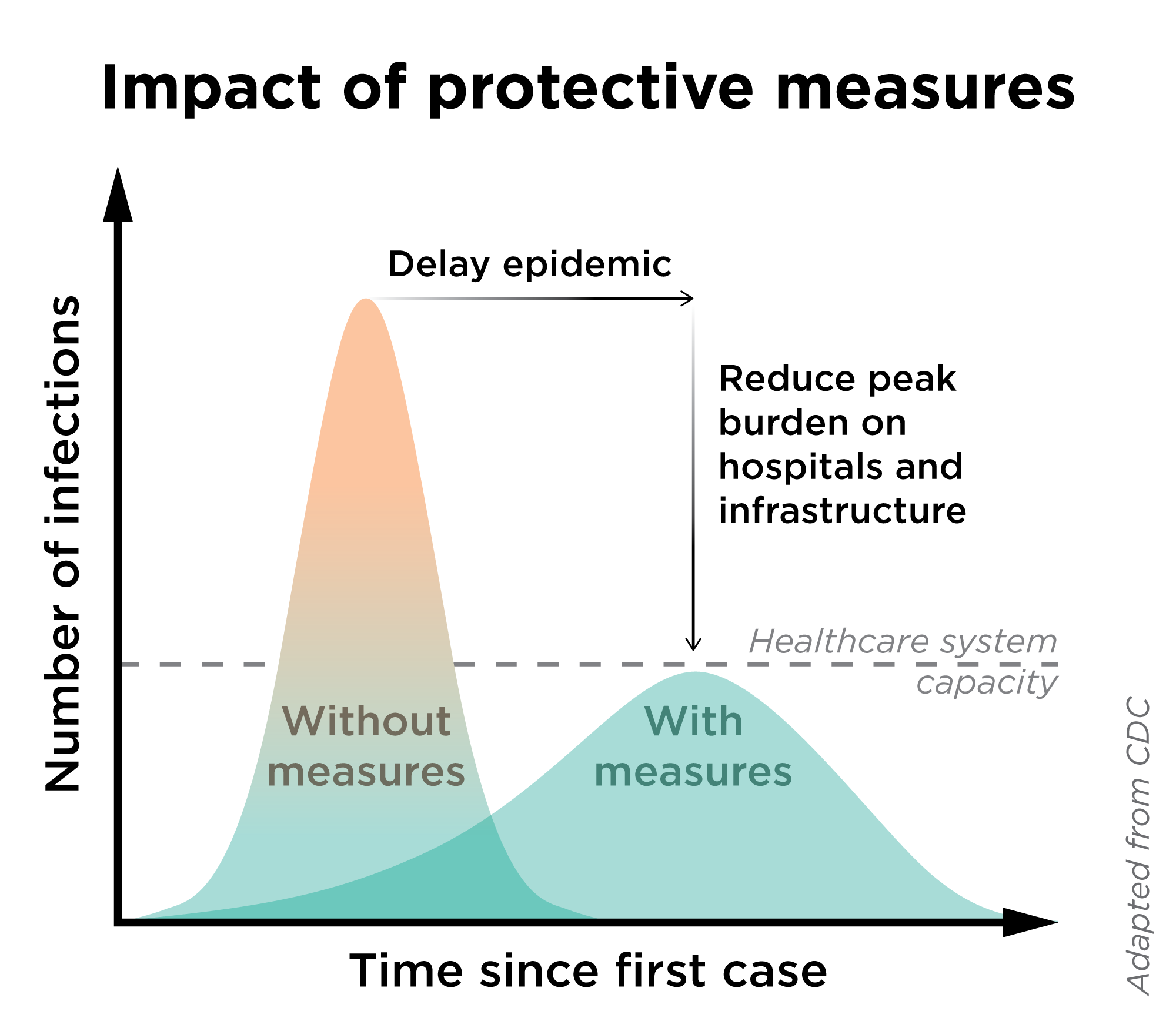
An infographic that shows the goals of mitigation during an outbreak with two curves. The X-axis represents the number of daily cases and they Y-axis represents the amount of time since the first case. The first curve represents the number of cases when no protective measures during an outbreak are implemented and displays a large peak. The second curve is much lower, representing a much smaller rise in the number of cases if protective measures are implemented.

My friend, Dr. Ellie Murray created this graphic help you remember what things you can do to help #flattenthecurve!

Image

Credit: Dr. Ellie Murray of Boston University (epidemiologist)

Have I convinced you yet that social distancing is important??

PLEASE SAY YES.


So now what? Well, I’m sure you have lots of questions about, for example, what happens if I get sick; what if I’m pregnant…am I at risk?; what if I find out I was exposed to someone who was sick??

I planned to share some of the responses I have seen on Facebook from colleagues who are epidemiologists, infectious disease experts, and the like, however found that most of the answers were neatly covered on the Centers for Disease Control website. Topics include:

What are the symptoms and what should you do if you think you are sick?

Are my pets at risk for infection?

What if I’m pregnant, should I be worried?

What about breastfeeding?

What about schools and daycares??

Should I cancel upcoming travel?

And a number of other great topics, including whether your pets can get sick with Covid-19 and whether we should worry about our waterways/systems (the answer is no). Visit the CDC.org website for more information.

Intermountain health also has a great page with great information and visuals like the one below.

The biggest difference between Covid-19 and other viruses like the flu virus, for example, is that

you can infect other people BEFORE you even know you’re sick.

Refer to the period between the dotted lines, before people start showing symptoms in the figure below.

timeline_COR_800


Are you mentally exhausted from reading all of this yet?? I know I’m exhausted just writing it! Friends. We are facing something completely unprecedented. We have never been faced with anything like this before. More so, this is something that is affecting all countries, even if it’s happening in waves. Dr. Tony Fauci, Director of the National Institute of Allergy and Infectious Diseases was on Meet The Press this morning and said, social distancing measures are currently not being practiced as they should. We need to do more.


I urge you, friends: Please practice social distancing as much as you can. If it works, we will help slow the spread. The field of public health will accept your criticism if you think we went overboard, if what we accomplished was a complete mitigation of the spread of disease. We would rather be responsible for doing too much and handling the situation TOO well, than handling the situation poorly. We are already at risk for increased spread because we have no idea how many people are out there currently infected, spreading virus.

“I think Americans should be prepared that they are going to have to hunker down significantly more than we as a country are doing,” Dr. Anthony Fauci, the nation’s top infectious diseases expert, said on NBC’s “Meet the Press.” Elderly people and those with underlying conditions need to be especially cautious.

Finally, please don’t forget: We are not just social distancing for ourselves. We are social distancing to protect all who are vulnerable, including ourselves should we happen to BECOME vulnerable. If there was ever a time in history for people to come together, the time is definitely now. As I stated in last week’s post, it is our moral and social responsibility to slow the spread and protect the vulnerable, including overburdening our hospitals and health providers. We can do this, friends. We can do it.

For additional questions, please refer to cdc.org, who.int, nih.gov, local health department COVID-19 info pages, or university websites who have information on COVID-19. If you’re on Twitter, feel free to follow me @berthahidalgo. I share and retweet a lot of information related to #COVID19. Many of us also have lists of people you can follow to stay up-to-date, including Dr. Carlos Del Rio, Dr. Natalie Dean, Helen Braswell, Dr. Ellie Murray, Dr. Jeanne Marrazo, Dr. Rachel Lee, Dr. Marc Lipsitch, Dr. Tedros Ghebreyesus of the WHO, Dr. Anand Iyer, and many others. Dr. Ellen Eaton has also crafted great posts on Facebook. There are many others, but these are the ones that come to mind immediately.

With that, I leave you and say, social distance like CHAMPS, friends!


‘Science Says’ Sunday – Novel Coronavirus update Mar 8, 2020

Bertha_Hidalgo-5sm.jpg

It has been a busy week following all the information coming out about novel coronavirus or COVID-19. Some days, it feels a little like drinking from the firehose, except, in this case, sometimes it feels like you need to make sure everything that it coming out of the hose is actually water and not something toxic disguised as water.

Many of you have reached out and said that there are a lot of conflicting messages out there. To wear a mask, or not? Use hand sanitizer? Okay, but why is it $40 an ounce on Amazon now???? Some people are saying don’t worry, and others are WAY freaked out. I get it. Let me break down all the information I have gathered this week and try to give you some guidance.

First, what’s going on in the US: Well…we have cases in the US and those cases are definitely increasing in number. A few weeks ago, we had 6 total cases and as of 7:41pm Saturday March 7, 2020 Central time, there are 424 confirmed cases.

Screen Shot 2020-03-07 at 7.42.57 PM

This geographic information system (GIS) developed by John Hopkins University is a great place to keep up with numbers real-time. Source: https://gisanddata.maps.arcgis.com/apps/opsdashboard/index.html#/bda7594740fd40299423467b48e9ecf6

I want you to pay special attention to the word “confirmed” in that last sentence. At the moment, approximately 1895 people in the US have been tested. Probably more since this was reported March 6th, but not a whole lot more. Part of the problem we are facing is not enough people are getting people tested. In order to truly know how many cases of coronavirus are out there, we’d have to do a whole lotta testing, and currently, we don’t have enough test kits to do so. People are reporting that individuals who call their doctors to report possible coronavirus symptoms, aren’t tested. In some cases, the criteria needed to be tested vary by health department, in other cases, we may not have had enough test kits to test individuals who are not at high risk like older people in nursing homes and people with pre-existing conditions and/or weakened immune systems.

Okay, so if we can’t test everyone, then what are we supposed to do?? Good question. If you think you have symptoms that seem to suggest that you have COVID-19 (novel coronavirus), then the general advice is that you call your primary health provider or doctor, or call the health department. Ideally, they will talk to you about what symptoms you are having and advise you to stay home and stay away from others so you don’t also get them sick. Please know that it is unlikely you will get tested UNLESS you fit all the criteria for getting tested and/or you are super sick.

How will I know if I’m super sick? According to the CDC,

  • Pay attention for potential COVID-19 symptoms including, fever, cough, and shortness of breath. If you feel like you are developing symptoms, call your doctor.
  • If you develop emergency warning signs for COVID-19 get medical attention immediately. In adults, emergency warning signs*:
    • Difficulty breathing or shortness of breath
    • Persistent pain or pressure in the chest
    • New confusion or inability to arouse
    • Bluish lips or face

*This list is not all inclusive. Please consult your medical provider for any other symptom that is severe or concerning.

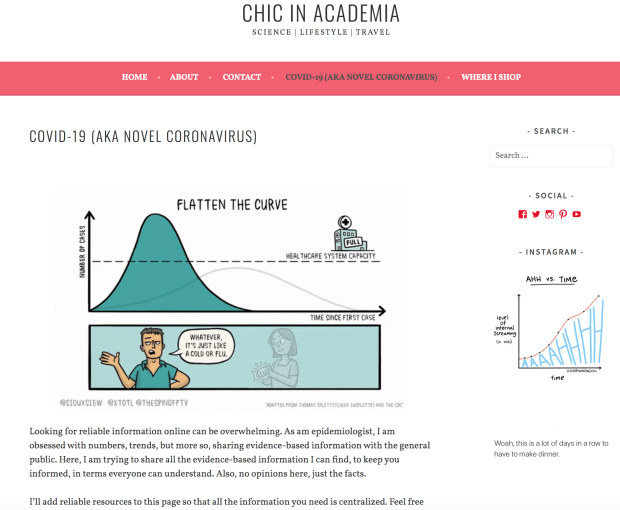
Why are we closing schools and stopping travel? Self-isolation, self-quarantine, and social distancing; that means you have to stay away from people as best as possible, for about 14 days. It’s also why you hear rumors and news of daycare/school/workplaces closing. Also why there are recommendations to try to limit your out-of-home activities, if you have COVID-19 infections in your state or communities. While the virus itself is supposed to not be serious in about 80% of the population, it is very serious for that remaining percentage of the population, especially older people (ages 60 and above). In order to help lower the number of total people infected and decrease the number of people who can get really sick, isolation or quarantine, closures, and good hand and respiratory hygiene are SUPER IMPORTANT. Basically, what we are trying to prevent is the burden on hospitals and infrastructure so that IF people get really sick, they will be able to be cared for in as fast and accurate manner as possible. This is called “flattening the curve” as pictured in the figure below. In China, Iran, and Italy, you heard of stories where beds were being set up in hallways of hospitals and/or makeshift hospitals. If we can slow down the rate at which people are getting infected, we might be able to lessen the strain on hospitals and other infrastructure.

Summary: In the image below, you see that if you take action early, you’re able to slow down the number of people who get infected. Why does that matter? Because you create less burden for hospitals and infrastructure (all please and people needed to treat all sick people as best as possible) and in turn, see fewer deaths linked to COVID-19.
Image

Image credit: Thomas Splettstößer @splette on Twitter

Should I panic?? I know you’re hearing in the media that the virus isn’t that dangerous, that’s it’s just like the common cold or flu, and I know you read in my last two posts that I suggested you should not panic. I am still saying don’t panic. I still believe that the virus isn’t making a majority of the population super sick, and very interestingly, kids seem to not be too affected by the virus. BUT, what I am saying, is that WE NEED this to be an ALL HANDS ON DECK situation. Older people do seem to get pretty sick, as do people with weakened immune systems, and it’s our responsibility to protect them. How do we do that?? We avoid getting sick and try to reduce the overall number of people who are sick! We need you to continue to:

  • Wash your hands for 20 seconds (as long as it would take you to sing Happy Birthday or the chorus of Old Town Road). When soap is not available, use hand sanitizer with at least 60% isopropyl alcohol.
  • Cough or sneeze into your sleeve or elbow (this helps all the saliva and droplets that come out of your body to land on your clothes, rather than releasing them into the air or a surface that someone else can touch)
  • Try to stay home if you can. This last one is tough, especially if you don’t get paid if you don’t work. 😦

Treating COVID-19: Some people have asked me whether there is anything they can do to build up their immunity to help fight the virus (if they get infected). Honestly, there are no evidence-based supplements that can help you fight this off. Scientists are currently in the process of testing whether an anti-viral drug called ‘Remdesivir’ can be used to treat people who become infected with COVID-19, but we don’t yet know if it will really work, and it will be a while (months or a year) before we know with certainty, or enough to give it to people who are sick.

What about the vaccine: Similarly, you may have heard that a vaccine will be ready SOON or in no time. While there is work happening now to develop a vaccine for COVID-19, it’s going to be a year at best, longer maybe, before we have a vaccine that works. So the answer is: No. We will not have a vaccine immediately. It’s going to be a while.

Should I cancel the trips I have planned? The general advice currently is to suspend international travel, especially to level 2 and 3 countries like China, Iran, and Italy. Domestic travel is being stopped or limited for some universities and workplaces. Why? This is largely based on the idea that social distancing is important for preventing overall spread of infection with novel coronavirus. Less travel means the virus is contained to some extent. Staying home as much as possible, helps prevent spread of the virus to other people in your community. Try fist-bumps or hand-waves instead of handshakes and hugs. Work from home if possible. Avoid crowded places. This includes churches as well. Some churches have put in place suggestions for reducing infection, including no handshakes for some services.

I should add that if you have a cruise planned, you may seriously consider canceling. Two cruise ships have resulted in a number of infections already. They are, as Dr. Jeanne Marrazo of the University of Alabama at Birmingham put it: cruise ships are incubators for disease. They present the perfect environment for this virus to spread.

So what do we do now? We sorta wait it out and do all the things recommended above. As I mentioned, we already have over 400 confirmed cases in the US. If you see a super large number of cases reported in the coming weeks, know that it’s likely due to more people being tested, and not necessarily that many more people are being infected. It is entirely possible that there are cases in places were we don’t have confirmed cases already. This is because the virus is no longer being transferred only by people who traveled to other countries who had COVID-19, but because those travelers infected others in the US who had not traveled and are now infecting others in the community. Alabama for example, is reporting zero cases at this time. It is entirely possible that we have cases in the state that simply did not get sick enough to be seen by a doctor or be admitted to the hospital. We would have no way to count them in the tally for cases in the stat.

Do we need to buy out Target, Walmart, Costco and Sams to make it through these quarantines or closures?? I mean…no. Not necessarily. Or at least not anything that is unreasonable. Please don’t hoard supplies. You should plan to have things at home that are necessary for day-to-day living, or if you had to stay home for two weeks and could not leave your house.

Bottomline: Older people and people with pre-existing conditions are at higher risk for getting REALLY sick if infected with COVID-19. CDC has recommended that individuals who are older (data suggests 60 years of age and older) or have pre-existing conditions try to:

For those of us who are at lower risk, it is our moral and social responsibility to protect them by not getting sick and not being around them as much as possible. During a COVID-19 outbreak an outbreak in your community, stay home as much as possible. For people of all ages, please remember to continue to wash your hands often, don’t touch your eyes/nose/mouth, and try to not go out unnecessarily. That includes travel.

Twitter user Marion Koopmans @MarionKoopmans this perfectly:

“Tip: don’t think about what this virus does to yourself, but think about what it could do to your grandmother, grandfather, family member with cancer therapy, brother who is a heart patient. You adhere to advice for this.”

As always, please feel free to reach out if you have any questions via DM or comments on Instagram, Facebook, or Twitter. For more information, also visit https://www.cdc.gov/coronavirus/2019-ncov/index.html, and https://www.who.int/.

Ahora, en Español!

Mensaje importante: El riesgo de infección con el nuevo coronavirus (también nombrado “COVID-19”) es mas alto en personas mayores (mas de 60 años) y personas con condiciones pre-existentes (por ejemplo, el asma, la diabetes o el cáncer).

Los Centros de Control de Enfermedades (CDC) recomiendan que personas mayores de 60 años de edad o con condiciones pre-existentes hagan lo siguiente:

  • Tengan provisiones (como comida, medicamento, agua, etcétera) en caso de que tengan que estar en casa por un tiempo extendido
  • Tomen precauciones cada día para no estar muy cerca a otras personas si tienen que salir a la tienda o visitar al doctor
  • Cuando salgan fuera de la casa, traten de no estar con personas que están enfermas (tos y estornudos) y lávense las manos frecuentemente. Traten de no tentarse a nariz, boca, y los ojos, porque por allí es mas fácil que entre el virus.
  • Traten de evadir lugares con muchas personas, como la iglesia, el cine, por ejemplo.

Para las personas menores de 60 años de edad con menor riesgo de infección: Es nuestra responsabilidad – social y moral – proteger a las personas mas vulnerables (como las personas mayores y personas con enfermedades pre-existentes). En general, para personas de todas edades, por favor lávense las manos frecuentemente, traten de no tentarse la boca/nariz/ojos, y lo mas posible, traten de no salir mucho de sus cases si no es esencial.

En Twitter, Marion Koopmans (@MarionKoopmans) dijo lo próximo:

“Nota: No solo piensen en lo que puede pasar si uno es infectado con el virus, pero piensen también que puede pasar si el virus infecta a su abuelita, abuelito, miembro de la familia con cáncer, hermano con problemas del corazón. Se siguen las recomendaciones con todas estas personas en mente.”

Como siempre, si tienen mas preguntas, por favor hablen con su doctor primario, si no, por favor háganme preguntas por Instagram, Facebook, o Twitter. Para mayor información, por favor visiten https://www.cdc.gov/coronavirus/2019-ncov/index.html, and https://www.who.int/.

Sources for this post include:

https://www.cdc.gov/coronavirus/2019-ncov/specific-groups/high-risk-complications.html

https://www.theatlantic.com/health/archive/2020/03/how-many-americans-have-been-tested-coronavirus/607597/

https://www.atlantamagazine.com/news-culture-articles/the-cdc-says-to-wash-your-hands-for-20-seconds-9-atlanta-songs-to-help-you-keep-time/

https://www.theatlantic.com/health/archive/2020/02/covid-vaccine/607000/

https://www.nejm.org/doi/full/10.1056/NEJMoa2001316

https://www.washingtonpost.com/health/2020/02/26/how-to-prepare-for-coronavirus/?arc404=true