‘Science Says’ Sunday – Wellness checks

IMG_20190109_104259_518.jpg

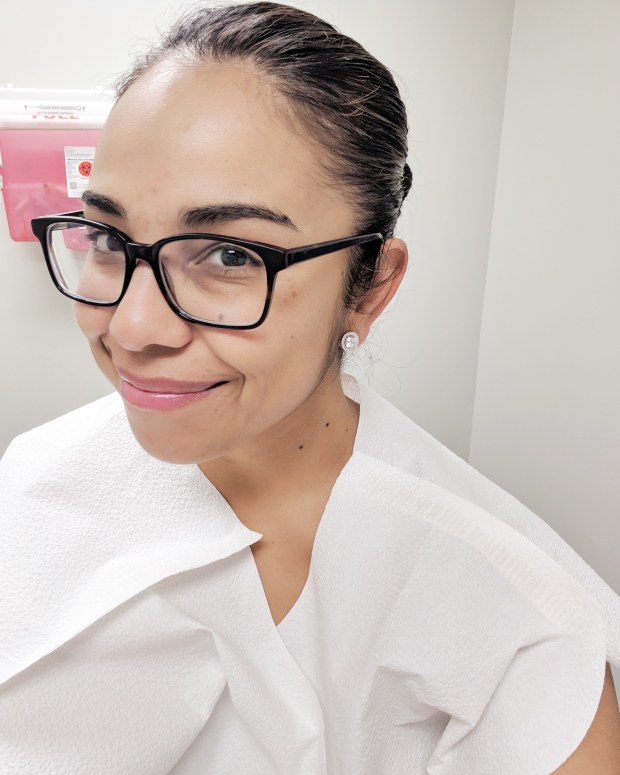
I have covered COVID-19 so much lately that I figured we could take one Sunday off to remind us all that wellness checks are still necessary this year and you should still plan to schedule them if you haven’t already! Here I am, pictured above, getting my annual check up a while ago, but pulled the picture out of the archives because I forgot to take a picture when I went to get my exam in January.

I heard ‘on the grapevine’ that people are afraid to go get wellness checkups. Admittedly, I did convert my dermatologist appointment in March to a tele-health visit (that means we had the visit over the phone), but only because I didn’t need an in-person visit with my dermatologist. However, let me be clear and say that IF YOU NEED TO SEE YOUR DOCTOR, YOU SHOULD DEFINITELY GO SEE YOUR DOCTOR. The boys are still getting their check ups this summer, and so should you.

The stay-at-home orders have confused a lot of people, but many clinics and hospitals have policies and procedures in place to see patients who aren’t there for COVID-19 related symptoms.

Therefore, consider the following:

Call or email your physician if you are due for an annual exam, mammogram, prostate exam, pap smear, cholesterol or blood pressure check, etc. Depending on your health and history, your physician will determine when and how those procedures should be done. Dental visits should be scheduled as dental practices permit, but dental emergencies should absolutely be addressed immediately.

Personally, here are some of the health checks I get done:

Annual wellness check

Annual gynecologist visit (pap if needed, breast exam, and mammography if needed)

Dermatology check as necessary (I was going every three months lately because I had dermatitis that was OUT OF CONTROL. Finally under control though, yay!)

Bi-annual dental check (cleaning every time, and other procedures as needed)

Annual eye exam (super important, especially as I age)


For the kids, their health checks include:

Annual wellness checks with pediatrician (vaccines as indicated on vaccine schedule)

Bi-annual dental checks (only cleanings so far; yay for no cavities)


For my hubby, health checks include:

Annual wellness check (including testicular and prostate exam)

Bi-annual dental checks

Dermatology check as necessary


A good rule of thumb is to schedule all of these appointments around the time of your birthday so that you don’t forget to get them in throughout the year.


In between health checks, remember to:

Maintain physical activity (remember it’s safe to go for walks, bike rides, hikes, etc, and just maintain a 6′ distance from anyone you may come across). You may notice you’re doing a lot of sitting around during the stay-at-home quarantine. Get up for about 2-5 min every hour to burn a few calories. They add up during the day and prevent you from being overly sedentary (or not active) during the day.

Drink water. I’m notorious for favoring diet Cokes (#sorrynotsorry), but I do try to drink a glass of water in the morning, noon, and night. I should probably drink more, but hey, we all have our limitations, right?? How much water depends on a number of factors, so drink water when able, is a good rule of thumb.

Try to eat a healthy, well-balanced meal. So very super important. More to come on what “healthy” means in an upcoming post. Fruits and veggies, lean meat (if you eat meat), protein, fiber, beans, etc…those sorts of things. Well balanced means you also get to eat a donut every so often if that’s what makes your heart happy. 🙂

Get some sleep! Sleep is restorative and helps improve health outcomes (lack of sleep is associated with poorer heart health, for example). I love sleep, but it’s so hard to get in. Cat naps help, so just try to squeeze it in when ever possible.

Try not to stress. Every time I go to the doctor, she says to me ” DON’T STRESS!! It’s not good for your health!” Sigh. I’m such a ball of stress most of the time. I internalize it and it physically manifests. Stress has been shown to increase cortisol in your body; a hormone that in high quantities, is associated with poor health outcomes, including inflammation, diabetes, even weight gain. More to come on the relationship between stress and health later.

So, try a little TikTok (I still don’t get it and am NOT dancing for strangers, lol!), some Instagram or Pinterest DIYs, virtual happy hours with friends (but don’t drink too much, because hello, also bad), and try to manage your health as best as possible during a time that is uncertain at worst, but a great time for reflection, at best. 🙂

Finally, super important to also note that if you have an emergency, you should ABSOLUTELY go to the ER or call an ambulance to come to your home. COVID-19 should not keep you from maintaining your health checks or or keep you from getting the health help you need. Remember that substance or alcohol abuse, mental health, and other conditions should also be checked, so call a physician, clinic, or hospital as necessary. Okay??

Be safe and be well, friends!
 

‘Science Says’ Sunday – To mask or not to mask?

wp-15873254385783133730428323463305.jpg

There is so much talk about ‘re-opening states’, despite not quite being in a place where we can do that. For scientists and health care workers, talk it’s immensely worrisome. The need to get people back to work is very real, but if we’re going to move forward with easing social distancing restrictions, especially “lockdowns” or “stay-at-home orders” then, a few things need to be in place:

  • Continued decrease in cases over time (flattening of the curve)
  • A capacity to treat all patients who need hospitalization with all resources needed (eg, protective equipment, beds, ventilators)
  • Comprehensive testing (everyone with symptoms or at risk gets tested)
  • Antibody testing, combined with contact tracing and isolation of those with COVID-19

Currently, we don’t have any of the above in place, which means scaling back social distancing measures and re-opening places where groups of people can gather or be in close proximity – hello, beaches, movie theaters, restaurants, daycares, etc – is extremely worrisome.

However, despite the concern that scientists, physicians, and many others have expressed, it appears that some states are eager to move forward with plans to re-open. As such, I felt the need to discuss masking in today’s ‘Science Says’ Sunday post. And I’m not talking about avocado or charcoal masks (though that’s an excellent topic for another day), I’m talking about face masks.

So, in short, YES, if you’re going to leave your house, you should absolutely mask.

The Centers for Disease Control have an excellent video out about the Do’s and Don’ts of cloth face coverings or masks:


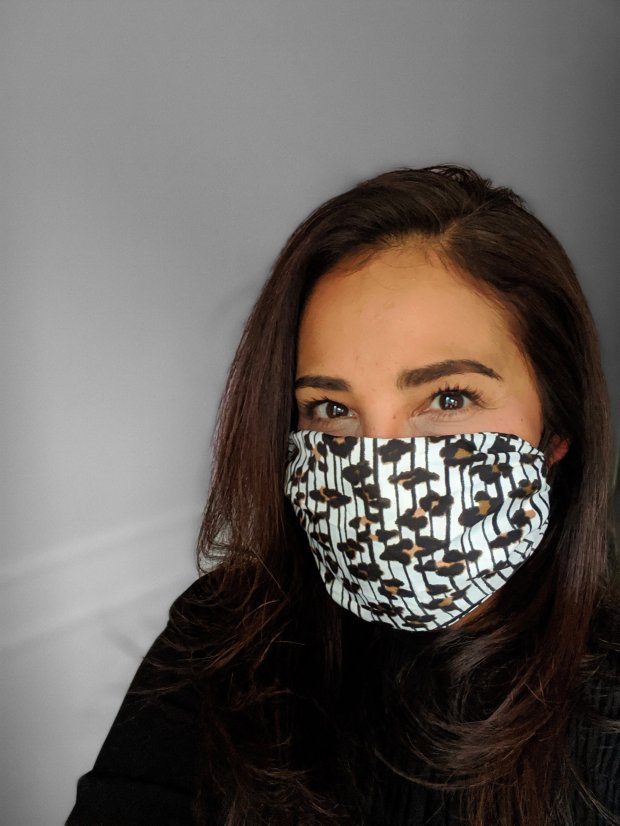
My immediate family has not been able to secure masks, so I decided to try and make our own! According to some guides, a simple bandana or other cloth covering will do, but I decided to give a neck scarf a go!

Note: Don’t touch the outside of the mask to adjust like I did. Try and avoid that, oops!

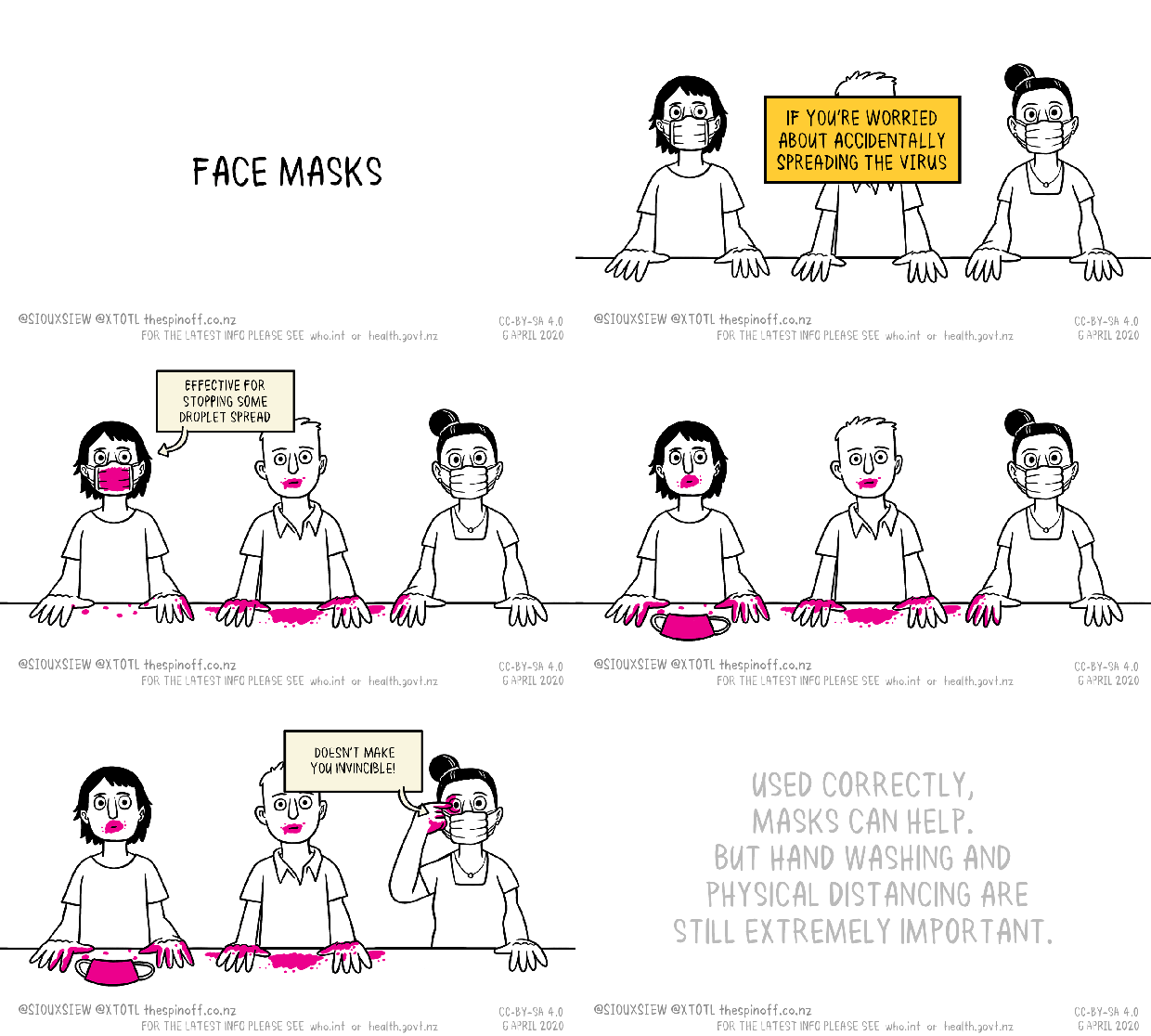
Using masks regularly, though, requires some guidance about safety and careful hygiene. This gif describes things you should keep in mind when wearing masks to go to work, grocery shopping, or to engage in other essential activities:

Covid-19-Masks-working-04


There is a lot that we are still learning about COVID-19 and so much that we have to do to get this under control. To those who have social distanced for weeks, thank you. To those who are essential workers and continue to have to go to work, ALSO thank you!! Remember to continue to support your local businesses if you are able, and to only leave your home for essential activities. In general, essential services include:

  • Gas stations
  • Pharmacies
  • Food: Grocery stores, farmers markets, food banks, convenience stores, take-out and delivery restaurants
  • Banks
  • Laundromats/laundry services
  • Essential state and local government functions will also remain open, including law enforcement and offices that provide government programs and services.

Remember, we continue to social distance because we have no idea who will and will not get sick. Because we believe there is a pre-symptomatic and/or asymptomatic phase, it is possible that you can get people sick without getting sick or super sick yourself. I thought this gif was worth re-sharing to demonstrate exactly how this works:

wp-1584928045223.gif


I know it’s hard. There is no doubt that this is significant, life altering phase of life we are all experiencing. Know, however, that until we have a vaccine, treatment for COVID-19, tests for everyone, and antibody tests, we will continue to need some form of social distancing to remain. Remember that this is truly unprecedented and unlike anything we have seen in modern history. You are writing history as we speak. Let’s learn from past experiences like reopening too soon and the effects of large gatherings during the 1918 flu pandemic. Let’s do the right thing, and get through this together.

Be well, and be safe, friends.

‘Science Says’ Sunday – COVID-19 and Socioeconomic status: A lesson

Image may contain: 4 people, including Michael Frymark and Bertha Hidalgo, people standing

From my family to yours, a very Happy Easter. Definitely counting our blessings this year, for health, finances, and all other aspects of our lives. Praying for strength and comfort for those who may be experiencing a less than happy Easter Sunday this year. 

When I began to cover COVID-19 back in January, I started to worry about the implications this novel coronavirus had for our health, our healthcare system and infrastructure, but also what it meant for the financial stability of our immediate and extended family. Would our jobs be at stake? Would everyone be taken care of? Was our money protected in case this was a ‘worst case scenario’ situation? Would my husband and I be able to carry our immediate family through safely and financially through this crisis?

Money matters are a taboo subject. We don’t like to talk about how much we make, how much we should be saving, and many of us don’t have much finance training, unless we’ve sought it out or inherited generational knowledge. Not having had the latter, I’ve made the former my priority. I’ve made it my mission to learn and talk to money whenever I can, but especially when I think it will make a difference for others. Hence the motivation for today’s post.

Science says that socioeconomic status – or our social standing, often measured as a combination of education, income and occupation – is closely tied to health outcomes and health disparities. It is one of the most prominent social determinants of health. As a health disparities researcher, first and foremost, I am here to tell you that if no one has told you to think about your wealth and income security during this pandemic, you absolutely should think about doing so. It was shocking to me to hear that despite the slowdown of Amazon shipping, and no in-store shopping, sales on social media were soaring for affiliate sales. SOARING was the exact word used. Who were all these people shopping, I thought? Can they afford to shop even though their jobs might be at risk? On the other hand, I thought, perhaps they are the lucky ones. But do they know that now is not the time to shop anyway??

I have personally taken a very conservative financial approach with our money since we went into quarantine a month ago. I’m used to re-selling all my items once I’m done using them, but as I started to see more and more stories about job losses (>10 million people have filed for unemployment), and people failing to adhere to social distancing recommendations (more people likely to get sick and die), it occurred to me, liquid money and assets are what matters most in times like these. For that matter, all the clothes, shoes, etc, that I own, do not translate into wealth if there is no one who can buy them from me! My husband and I came out of the 2008 housing crash unscathed, but there are many others who did not. In many ways, this pandemic is far worse than that housing crash, so how the markets will fare remains to be seen. Best be prepared for that worst case scenario, I thought.

So, I called upon a friend who knows more about finances than I do, to walk you through money matters during a pandemic. Why? Because in order to ensure positive health outcomes in the future, you have to secure yourself financially now. We have to narrow that inequality gap, and becoming financially savvy is one way you will be able to accomplish that. I wish I had learned some of these things when I was younger, so I’m trying to share this now with you, so that you can start off earlier than me. 🙂

Below is a post from Lauren Pearson, founder of The Wealth Edit. Her blog brings you free and paid-course content to make you financially savvy. One blog post in particular “Coronavirus and Market Volatility” really struck a chord with what I was observing as a finance novice, and thought, ‘I bet my readers would love to hear from someone like her during this time’. So with that, I bring you her wisdom, during this time of COVID-19 craziness.

Money matters during a Pandemic

We are all adjusting to a new normal – our kids are home for many of us, our spouses are home, we have a new “office,” and we are worried about our public and individual health. So how are we feeling about our money?

Last week I read that for some of us, this pandemic is like a sprinkle, and for some of us this is like a hurricane. Some have lost their jobs, some have had to lay off employees, and for the blessed few, very little is different.

If you are like me, my family is spending money on food in ways we were not before. We were big on take out, and now we cook nearly every meal. Even though I am surprised by our grocery bill, I still believe in this category we are probably saving more than we were before, which is a good thing. Add in babysitters for date nights or evening obligations, we may be feeling like our pockets are more full.

What I would like you to do is to think strategically about your money. Right now. As women, we are taught that talking about money is taboo.  What I propose to you is this doesn’t matter. Not in a pandemic. It is our responsibility to be good with money, and to educate ourselves quickly. This cultural taboo is bad for women, and puts us at a disadvantage.

Yes, I am bombarded now on Instagram with sales from my favorite stores. Tempting? Yes. Important? No. What is important is to reframe your thinking around spending. Think about the decisions you are making for the health of your family. You are more than likely social distancing, only going to “essential” stores for purchases. Think about your finances through this same lens. What is essential? What purchases are really going to enhance your life? What items will last, and do you need them?

For my family, my kids’ camp will be canceled and our trip overseas will be canceled. This will mean I have five figures coming back into my bank account. It would be tempting to feel “overfunded” and to “splurge.”

At the Wealth Edit, our private membership community, we have created a Financial Minimalism course. I encourage everyone right now to practice Financial Minimalism. Why now? First, we have time to think about it. Second, we have been cut back (online sales being the great exception) to the essentials, so now we are forced to see what is truly essential. What a gift! Use this time to your advantage. What if instead of getting better things, or our economy, gets worse? I’m not suggesting it will, but I suggest you pressure test this theory within your household. We also do a personal recession audit (along with one for business, if you are a business owner). Having some arrows in your quiver as it relates to your finances will only be helpful.

Here are a few pandemic tips for you to follow to keep your wallet and your family safe:

  • Observe your spending and income. Write it all down. Just for a week. This is called cash flow (what is coming in, what is going out). I suggest writing everything you spend down twice. Once in the notes of your phone as you are spending, and then once at night in a notebook. This will be the first step towards conscious spending. Then write “E” next to the essential spending. This will come in handy to have this awareness, in the event you have to cut in the future.
  • Do you have money coming back to you? Stimulus, refunded trips, etc? Have a plan for this money. Of course I am going to encourage you to invest these dollars. First in an emergency fund, because everyone needs 3-6 months net income in cash for harder times. Then, if there is money left, invest it.
  • Don’t fall for the online sales! Just because your favorite brand is on sale for 40% off, doesn’t mean you need anything right now. I don’t shop online after 5 p.m. Create a plan for your spending, and execute on this. Don’t spend outside of this, if possible.
  • Know your financial stuff! It’s okay not to know anything right now, but find a venue to learn. If you want to try the Wealth Edit, we will give CIA readers $14 off their first month of membership. We would love to have you – use code CIA14 at checkout. I know, counterintuitive for me to ask you to spend, but the fact is this content, if consumed carefully, could save you significant money. Plus you get an amazing community of smart and interesting women who are also committed to talking about money.

Happy Easter,

Lauren

CEO, The Wealth Edit

I hope you will gain some food for thought from today’s post and find ways to build some of these tips into your own life. I know I will. I also leave you with Dr. Michael Marmot’s seminal post on income and health titled “The Influence Of Income On Health: Views Of An Epidemiologist“, should you need additional convincing that money matters indeed matter for health outcomes.

The Influence Of Income On Health: Views Of An Epidemiologist

Income is related to health in three ways: through the gross national product of countries, the income of individuals, and the income inequalities among rich nations and among geographic areas. A central question is the degree to which these associations reflect a causal association. If so, redistribution of income would improve health. This paper discusses two ways in which income could be causally related to health: through a direct effect on the material conditions necessary for biological survival, and through an effect on social participation and opportunity to control life circumstances. The fewer goods and services are provided publicly by the community, the more important individual income is for health. Under present U.S. circumstances, a policy of counteracting growing income inequalities through the tax and benefit system and of public provision appears justified.