‘Science Says’ Sunday – 5 facts about COVID-19 communication

wp-15855030404004232407826295907801.png

Last week, I shared a short Instagram TV video where I pleaded with my viewers/readers to please continue social distancing. In that time, I have given media interviews, participated on video podcasts like Communal Expressions, all with the same message: We must continue to practice social distancing to help flatten the curve.

A colleague of mine shared a Twitter thread by Vivek Murthy, titled “Five tried and true principles for communication during a public health crisis (these literally save lives). In it, he shared five principles that are crucial to communication during public health crises and they include:

  1. Be transparent and truthful
  2. Be consistent
  3. Over communicate
  4. Lead with scientists and science
  5. Be compassionate

In my communication on Chic in Academia, I have attempted to share messages about COVID-19, keeping all of the above in mind. What is disheartening is, hearing people continue to call this all a hoax; saying that flattening the curve and social distancing is an over reaction; discrediting the fact that scientists, physicians, health care workers, and so many others are working tirelessly to try and get this pandemic under control.

Last week, I shared information with articles providing evidence that :

While I recognize that not everyone I know reads my blog, or that everyone you know reads this blog, I do know that this messaging is not unique, and mirrors what a lot of experts are saying.

For what it’s worth, until we have (not listed in any particular order),:

1) COVID-19 tests for everyone

2) ventilators and beds for all critical ill patients

3) personal protective equipment for our friends on the front line (physicians/healthcare workers)

4) antibody tests

5) an effective drug treatment

6) a vaccine

7) accurate data (we still don’t know exactly what our denominator is!!)

8) accurate and consistent messaging about what we need to do to get a handle of this pandemic

we will continue to see known case and mortality numbers increase, especially if we don’t continue social distancing. Ensuring #1-8 above will help reduce the need for social distancing. At minimum, #1-6 would help provide answers for #7 and #8.

I have shared all the information we have to date. What we need now is some degree of ‘lever adjustment’ to move forward. In the short term, a high degree of social distancing is important because we need the other levers to rise or increase in order to reduce the lever or need for social distancing:

Screen Shot 2020-03-29 at 5.14.14 PM

Once we have a effective treatment, antibody tests to determine who has been sick and recovered, comprehensive testing, and everything our hospitals need to treat everyone who gets sick, then we can begin to scale back on significantly on social distancing efforts.

Screen Shot 2020-03-29 at 5.16.22 PM

NOTE: If you’re reading this and can help me make these figures interactive, please email me! bhidalgo@uab.edu

In the news this week, you may have heard that more masks are coming, that additional ventilators are being shipped to states, and that companies are developing tests to determine whether you are positive or have been previously infected. I’m excited to see what awaits us, but for now, social distancing is a must.

Because I haven’t been able to upload my own IGTV video, here’s one that Communal Expressions shared this week on their Facebook page where I answer a number of questions about what we do and don’t know about COVID-19:

Finally and most importantly, many of you continue to ask questions about the following topics, so here are some short answers:

  1. Can I continue to take Ibuprofen? YES. Here’s an article that tells you why you should not be quick to abandon current treatment you may be on.
  2. Can I wear a mask if I have one? If you have surgical or N95 masks at home, you should donate them to your local hospital because many hospitals DO NOT HAVE ANY. If you are making homemade masks, please also donate those to your local hospital until they can obtain more surgical and N95 masks. When are hospitals are fully stocked, then you can wear masks if you want to. If you are sick, you should be at home, and you can wear a mask to keep droplets from falling all over your house and infecting other people in your home.
  3. Can I pick up takeout, curbside meals, or get food delivered? Yes! Read about why it’s safe here.
  4. Can I self-treat if I think I have or have been diagnosed with COVID? NO. Read why here.
  5. Can I get re-infected with COVID-19 if I’ve already had it? Evidence suggests no. Good article describing why, here.
  6. Is the virus mutating? Yes, but here’s why it doesn’t appear to be a big problem.
  7. Should I worry about my risk for COVID-19 if I have a specific blood type? NO. Here’s why.
  8. I’m interested in COVID-19 projections for my state. Where can I find that information? Here’s a good resource!
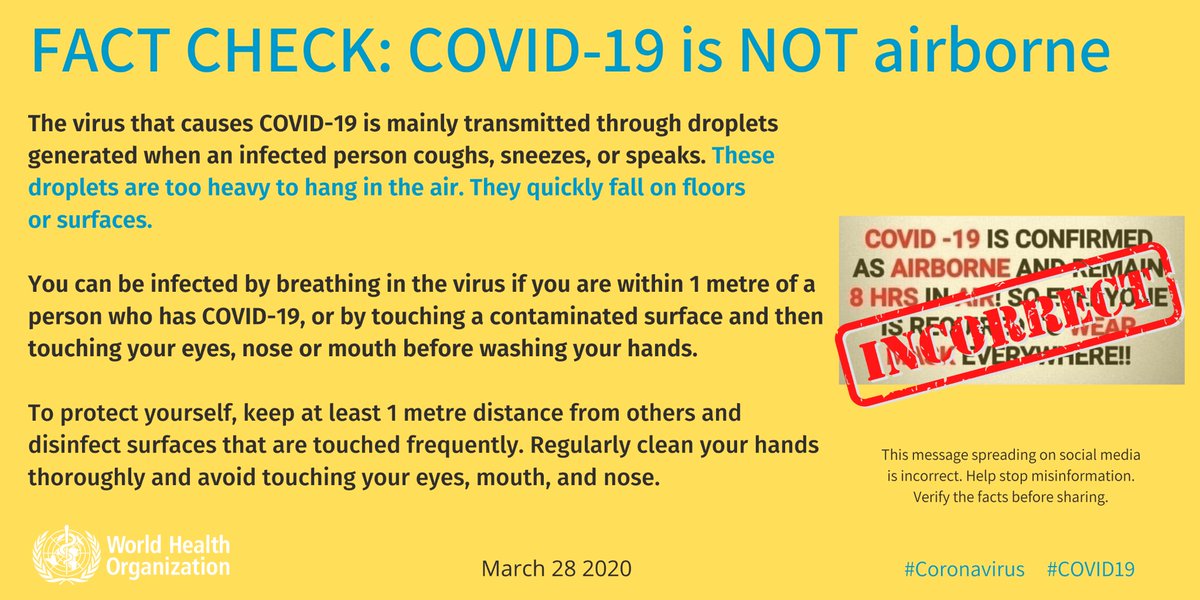
  9. Is the virus that causes COVID-19 airborne?! No. World Health Organization fact check, here. Note that aerosols ARE an issue in hospital settings during intubations, for example, so medical professionals do need to worry about the virus becoming aerosolized and need appropriate personal protection like face masks to prevent getting infected.Image
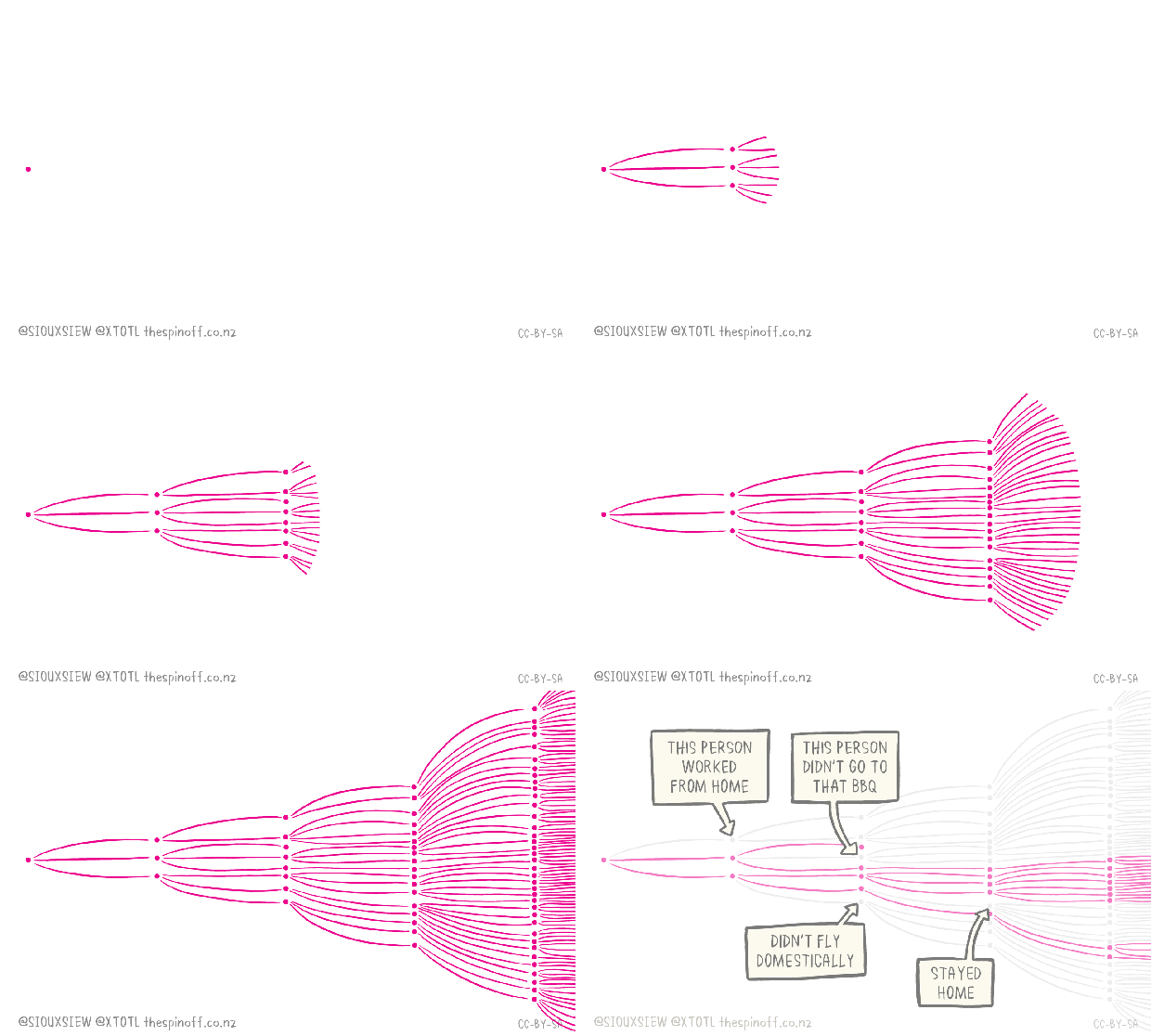
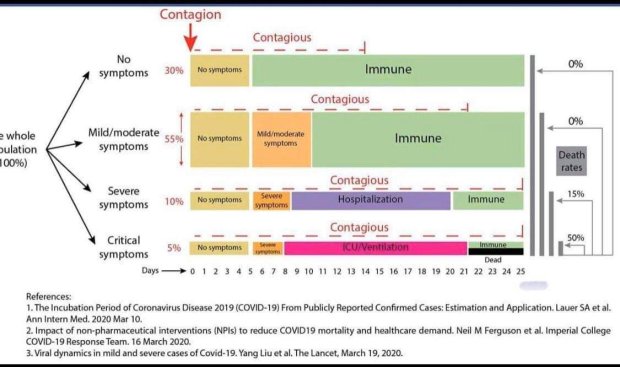
  10. Can I infect other people even if I am not symptomatic? YES. The evidence we have so far suggests that there is some asymptomatic transmission/infections happening. Here’s a figure that shows what the current evidence suggests:
wp-15855167150457702679418297645326.jpg

In short, whether you only get a little sick or super sick, the fact remains: YOU CAN MAKE OTHERS SICK during the period when you have ZERO TO NO symptoms. Until we can test everyone, and adjust the levers on the graphic shown above, please #stayhome and keep #socialdistancing to help #flattenthecurve.
‘Science Says’ Sunday – COVID-19 What we know as of 3/22/2020

wp-15849230910188736984453928756811.jpg

Those of us following the COVID-19 pandemic feel very much like we’re drinking water of out a fire hose. Everyday, there is a massive influx of information. New studies out of China and other countries are being published at an unprecedented speed, mirroring what we are seeing in terms of the spread and manifestation of the disease in different populations.

I do want to remind you, however, that as we share news of reports, studies, or findings, please recognize that what we know about COVID-19 is very much evolving on a daily basis. Not to mention the fact that because this is all so new, much of what is being published are correlations, associations, observations. Very few studies have published information that suggests causality between two things.
So, bear with us – scientists – as we navigate these uncharted waters. I know it’s hard to be patient in a time when so much is frenzied, but without good interpretations, we risk making inaccurate recommendations as we forge this war against COVID-19.

In today’s post, I’m sharing a little about what we know with certainty; and let me tell you, it is not a whole lot. However, putting the things that we know will work (like social distancing) into practice, will absolutely make a difference, so PLEASE, please help us all by staying home, practicing social distancing, and helping to flatten the curve.

What do we know?

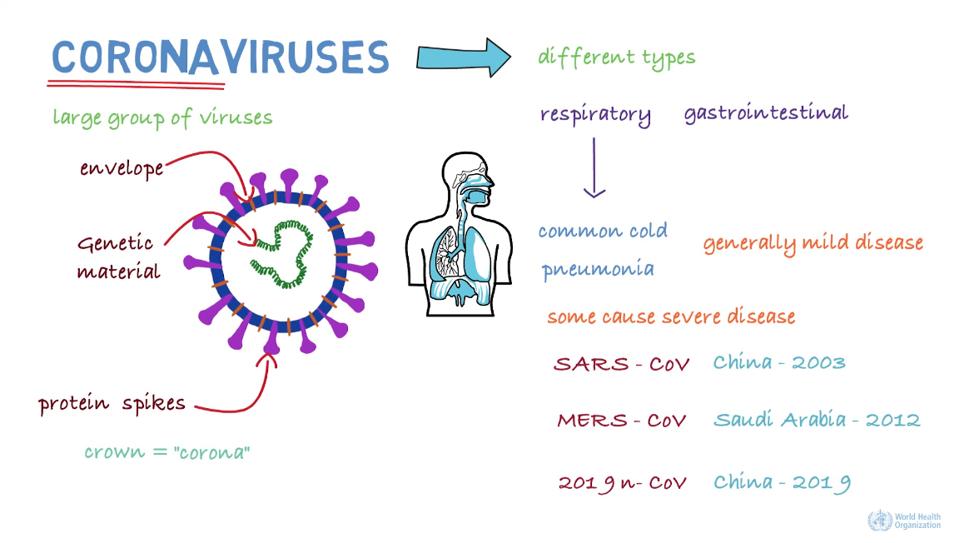
  • COVID-19 is caused by the SARS-CoV-2 virus.

    “Shown are a schematic of 2019-nCoV (Panel A) and full-length phylogenetic analysis of 2019-nCoV and other betacoronavirus genomes in the Orthocoronavirinae subfamily (Panel B).”

  • SARS-CoV-2 is part of the coronaviruses family. The coronaviruses family includes viruses that cause the common cold, the flu, MERS, and SARS.

cv

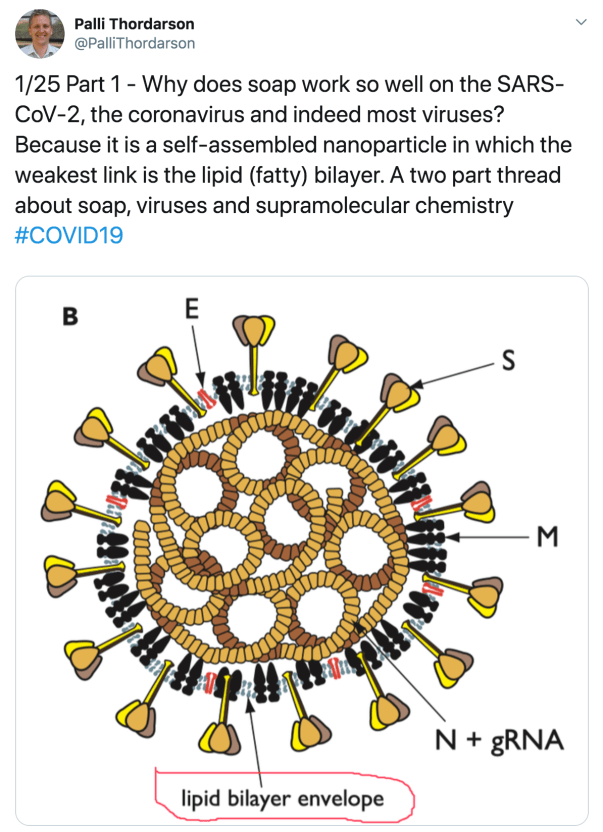
  • SARS-CoV-2 is made up of a small set of genes, surrounded by fatty lipid molecules. This fatty covering can be dissolved by soap/detergents. That means, hand-washing with soap and water for 20 seconds is highly recommended. Ethanol also breaks the virus apart, so hand sanitizers with at least 60% ethanol are effective, in the absence of water. Finally, for cleaning, Windex, bleach water, and soap and water are effective for cleaning surfaces.

Screen Shot 2020-03-22 at 7.48.28 PM

  • SARS-CoV-2 can be spread during the pre-symptomatic and/or mild symptoms phase. That’s partly what is making it so hard to prevent the spread. People may think they are not sick, and inadvertently spread disease during that time. The more people get sick all at once, the more likely we are to overwhelm our hospitals. This also means we risk getting our healthcare workers and physicians sick, which decreases the chances that of all people who need care will get the care they need.

Screen Shot 2020-03-22 at 9.08.51 PM

  • SARS-CoV-2 lives on surfaces for a while. How long? In laboratory settings, up to 3 hours aerosolized, up to 4 hours on copper, up to 24 hours on cardboard, and up to 2-3 days on plastic and stainless steel. These times were determined in a laboratory setting, so in actuality, the virus may live less time in the air/on these surfaces, but nevertheless speaks to the importance of social distancing to avoid coming into contact with surfaces where others may have coughed/sneezed/touched. https://www.nejm.org/doi/full/10.1056/NEJMc2004973

Picture1

  • Social distancing works!! We have seen how well social distancing efforts have helped to slow the spread of COVID-19 in China and South Korea for example. Let me remind you, though, that both countries put social distancing measures in place that were a lot more stringent than the ones many of our states have put in place. The Stay Home orders that California and New York have enacted are a good start, but we truly need stronger regulations/requirements for staying home and social distancing in order to make a difference and flatten the curve. I know something longer term and stronger requirements than what we have in place in some states seems harsh, maybe even scary. But, if we are to truly tackle this virus and prevent more infections, hospitalizations, and deaths, it’s what we need to do.

wp-1584925829923.gif

  • Social distancing means, social distancing! In order for us to truly slow the spread of infection, we need to socially distance ourselves as much as possible. Here’s a guide that can help you figure out what the do’s and don’ts of social distancing are.

No photo description available.

  • This is not going to be easy. It is going to be hard. It is hard to work from home and homeschool and try to pay the rent while not getting paid and and and and…the list is endless. My boys and I have been at home since Friday, March 13th. We haven’t left the house except to go on bike rides or play outside. WHY. Because we don’t want to risk getting sick AND we don’t want to risk getting others sick. The data is still very new in terms of who is at risk in the US. The risk for COVID-19 is bound to be different by country simply because we have different age structures, different potential co-morbidities, different healthcare systems, different governmental structures. The virus alone cannot determine the epidemiology of a disease. The epidemiology of a disease is multi-factorial, and while we can certainly learn a lot about how to stop the spread and how to prevent and treat it, ultimately, we must adapt those lessons to our own environments and populations to find the best fit solution. This, my friends, is going to take time. Could it take months? Maybe. Adhering to social distancing is the only way we will be able to determine how soon we can return to “normal”. Not adhering to social distancing is likely to prolong it all. We have the power to make a change, and to slow the spread. Please, please, stay home if you can.

In case you haven’t already noticed, there is a hub on this website with COVID-19 information. It is being updated regularly with information about some of your most frequently asked questions. I am also taking questions on Instagram and Facebook if you have any that aren’t covered there. Please visit the page when you have a moment. I’m vetting all the information included and hope to continue to update it as we learn more about COVID-19 and all that’s to come.

Screen Shot 2020-03-22 at 9.04.04 PM

So, practice social distancing, and flatten the curve.

Friends, we got this.

‘Science Says’ Sunday – COVID-19 and Social Distancing

wp-15842885434545597110029571102195.jpg

Me, playing with my kids while practicing ‘social distancing’

If we’re friends on Facebook and you’re reading this, you’re probably thinking ‘here she goes again!’ Sorry! Just kidding, not sorry. 😀 I’ll continue to share evidence-based information and recommendations until I tire, if that’s what it takes for us to get a handle of the Covid-19 (novel coronavirus) situation.

Our family has very actively practiced social distancing. I get it, it can he hard. We’re privileged to have the space to spread out throughout the house, to have space where we can play outside in ‘isolation’, and have tons of things to keep ourselves busy with, including my dog who seems to think I have nothing better to do than pick up after her. wp-15842889600167054737677630740155.jpg

Our two boys also seem to think that if friends aren’t around, they can’t play outside. Better yet, they specifically said “We can’t play because we don’t have anyone to play with.” Um, HOW ABOUT WITH EACH OTHER?! Sigh. Being indoors for extended periods of time can make them cranky and prone to bickering, so off we went to play outdoors, together. For four hours, we played baseball, basketball (me, pictured above, making a straight foo’ out of myself), rode bikes and scooters, and basically ran amok. Then, I took Advil because I’m old and out of shape. But, I digress… 🙂

On Facebook, I’ve shared a number of articles on social distancing. Here are a couple you can read while you’re social distancing. The two articles, linked here and here, give great guidance about what ‘social distancing’ means and what activities are recommended and not recommended at this time. The Washington Post also has a fantastic article demonstrating social social distancing either speeds up or slows the spread of infection. In short, it is simulating what we see in this figure from a working paper written by Famulare and others, demonstrating model-based estimates of COVID-19 burden in King and Snohomish counties through April 7, 2020, a collaboration between the Institute for Disease Modeling, Bill & Melinda Gates Foundation, Fred Hutchinson Cancer Research Institute.

No photo description available.

In short, the paper and this figure suggests that even a 25% reduction in contact between people can have a significant effect on the number of people being infected and ultimately getting sick.

So, why does that matter??

The biggest threat Covid-19 presents is burden on hospitals, health care workers, and our infrastructure in general. Dr. Michael Saag, world renowned infectious disease physician put this into perspective in an article he published in AL.com last week:

“Here is a scenario to illustrate what seems likely to happen in Alabama over the next 10 weeks:

· With a doubling rate of infection of 5 – 6 days, cases rise exponentially over time.

· This means that we can go from 50 cases to 25,000 cases in 10 weeks.

· If 20% (5,000) of these patients are significantly ill, at least half of them will need to be in the hospital (2,500).

· Of those, at least half will need to be cared for in the ICU (1,250). And once in the ICU, they could remain there for weeks, clogging the ability to admit new patients to the ICU.

· And this scenario is only after 10 weeks; at 20 weeks from now, there could be up to 500,000 total cases or more in Alabama (you can do the ICU math).

UAB hospital has up to 300 ICU beds; other hospitals in Alabama have fewer ICU beds. And in all hospitals in Alabama today, most of those beds are already occupied. It is easy to see that hospital beds, especially ICU beds, will be in short supply as the coronavirus epidemic unfolds.

So the question then becomes: Where do the new, coronavirus patients with severe disease go?

Italy currently gives us some tragic insight. In Lombardy, Italy, last week, up to 200 patients needed admission to the hospital. But there were no more beds available. So the physicians had to scour the hospital making difficult decisions about which patients were too sick to recover and discharge them home to die in order to make room for those who had a chance to live. And I just heard from a colleague in Switzerland. They are on the verge of having to make the same decisions. No one wants to ever be in that gut-wrenching position.”


The following visual is making the rounds on Facebook and Twitter, demonstrating that social distancing efforts have worked well in the past, including during the 1918 Pandemic Flu. Some cities followed recommendations well, and others not so well. Below you can see the effect that social distancing had on the city of Philadelphia vs St. Louis.

Image may contain: text

Image credit: Washington Post


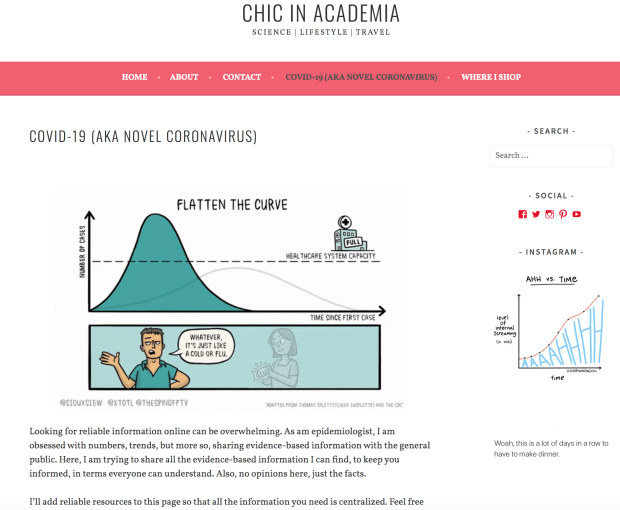
Many people have been quoted in the past saying something like “if we don’t learn from our past, we are doomed to repeat it”. I’m saying the same thing now. Public health experts are suggesting we simply try social distancing so we can help “flatten the curve”.

We are actively trying to reduce the number of people who get sick all at once, so that we give each person who gets SUPER sick, a legitimate fighting chance at 1) a hospital bed, 2) ventilator, 3) staff and personnel available to care for them, if needed.

An infographic that shows the goals of mitigation during an outbreak with two curves. The X-axis represents the number of daily cases and they Y-axis represents the amount of time since the first case. The first curve represents the number of cases when no protective measures during an outbreak are implemented and displays a large peak. The second curve is much lower, representing a much smaller rise in the number of cases if protective measures are implemented.

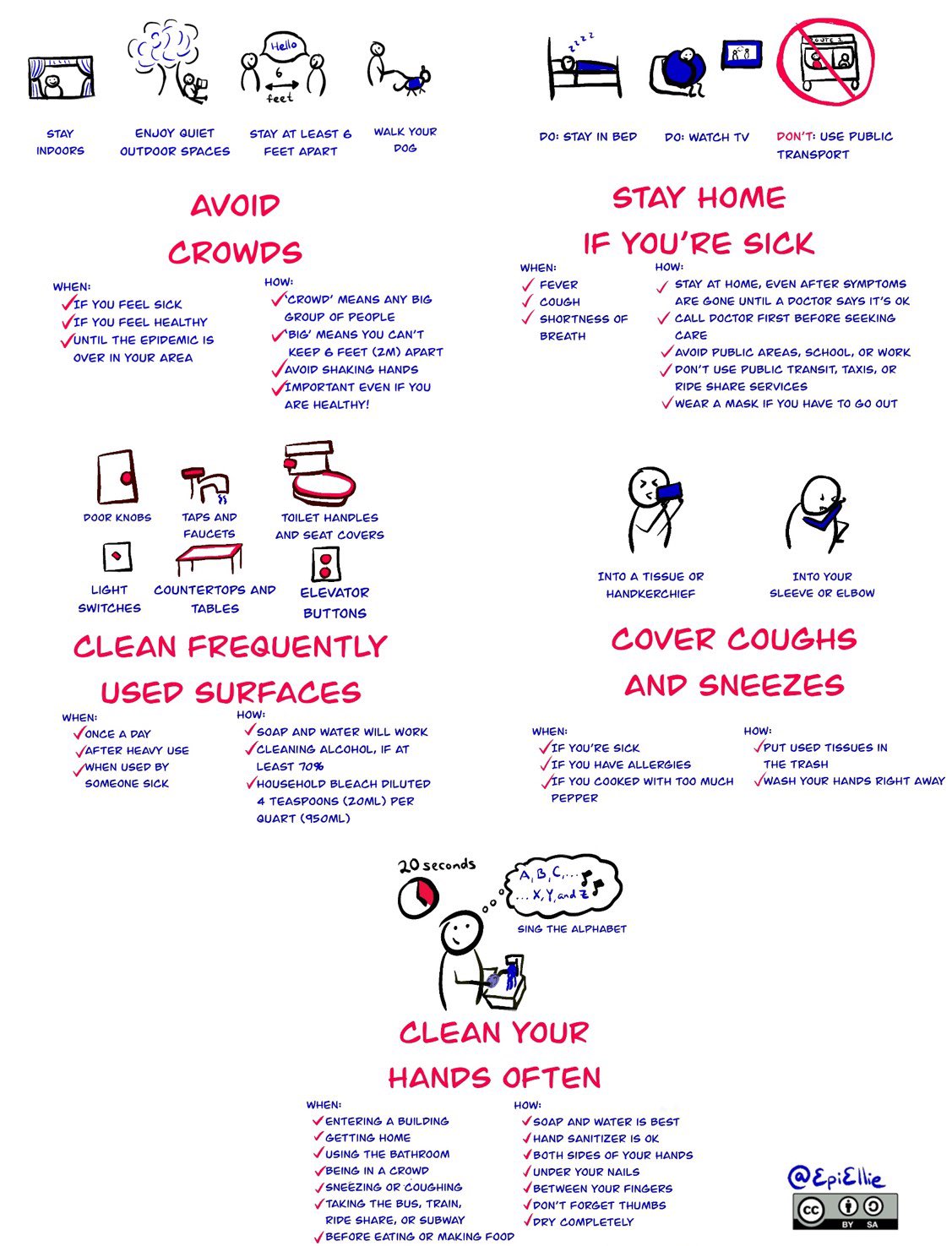
My friend, Dr. Ellie Murray created this graphic help you remember what things you can do to help #flattenthecurve!

Image

Credit: Dr. Ellie Murray of Boston University (epidemiologist)

Have I convinced you yet that social distancing is important??

PLEASE SAY YES.


So now what? Well, I’m sure you have lots of questions about, for example, what happens if I get sick; what if I’m pregnant…am I at risk?; what if I find out I was exposed to someone who was sick??

I planned to share some of the responses I have seen on Facebook from colleagues who are epidemiologists, infectious disease experts, and the like, however found that most of the answers were neatly covered on the Centers for Disease Control website. Topics include:

What are the symptoms and what should you do if you think you are sick?

Are my pets at risk for infection?

What if I’m pregnant, should I be worried?

What about breastfeeding?

What about schools and daycares??

Should I cancel upcoming travel?

And a number of other great topics, including whether your pets can get sick with Covid-19 and whether we should worry about our waterways/systems (the answer is no). Visit the CDC.org website for more information.

Intermountain health also has a great page with great information and visuals like the one below.

The biggest difference between Covid-19 and other viruses like the flu virus, for example, is that

you can infect other people BEFORE you even know you’re sick.

Refer to the period between the dotted lines, before people start showing symptoms in the figure below.

timeline_COR_800


Are you mentally exhausted from reading all of this yet?? I know I’m exhausted just writing it! Friends. We are facing something completely unprecedented. We have never been faced with anything like this before. More so, this is something that is affecting all countries, even if it’s happening in waves. Dr. Tony Fauci, Director of the National Institute of Allergy and Infectious Diseases was on Meet The Press this morning and said, social distancing measures are currently not being practiced as they should. We need to do more.


I urge you, friends: Please practice social distancing as much as you can. If it works, we will help slow the spread. The field of public health will accept your criticism if you think we went overboard, if what we accomplished was a complete mitigation of the spread of disease. We would rather be responsible for doing too much and handling the situation TOO well, than handling the situation poorly. We are already at risk for increased spread because we have no idea how many people are out there currently infected, spreading virus.

“I think Americans should be prepared that they are going to have to hunker down significantly more than we as a country are doing,” Dr. Anthony Fauci, the nation’s top infectious diseases expert, said on NBC’s “Meet the Press.” Elderly people and those with underlying conditions need to be especially cautious.

Finally, please don’t forget: We are not just social distancing for ourselves. We are social distancing to protect all who are vulnerable, including ourselves should we happen to BECOME vulnerable. If there was ever a time in history for people to come together, the time is definitely now. As I stated in last week’s post, it is our moral and social responsibility to slow the spread and protect the vulnerable, including overburdening our hospitals and health providers. We can do this, friends. We can do it.

For additional questions, please refer to cdc.org, who.int, nih.gov, local health department COVID-19 info pages, or university websites who have information on COVID-19. If you’re on Twitter, feel free to follow me @berthahidalgo. I share and retweet a lot of information related to #COVID19. Many of us also have lists of people you can follow to stay up-to-date, including Dr. Carlos Del Rio, Dr. Natalie Dean, Helen Braswell, Dr. Ellie Murray, Dr. Jeanne Marrazo, Dr. Rachel Lee, Dr. Marc Lipsitch, Dr. Tedros Ghebreyesus of the WHO, Dr. Anand Iyer, and many others. Dr. Ellen Eaton has also crafted great posts on Facebook. There are many others, but these are the ones that come to mind immediately.

With that, I leave you and say, social distance like CHAMPS, friends!